Winter storms in Longmont often create hazardous conditions on our roads and walkways. Accidents caused by another person during a snowstorm often lead to the at-fault party blaming the weather conditions. However, this defense doesn’t automatically shield them from a Colorado personal injury claim related to a winter weather accident.
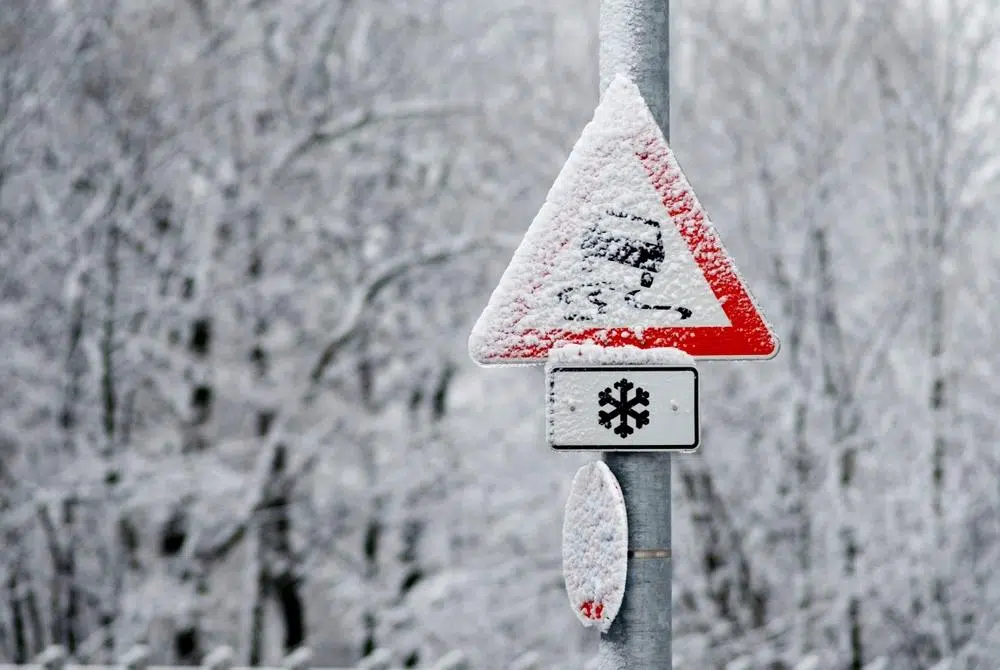
The presence of snow and ice adds layers of complexity when determining fault, but it doesn’t automatically excuse negligent behavior that leads to an injury.
Key Takeaways for Colorado Winter Weather Accident Claims
- Bad weather doesn’t automatically excuse a driver who causes a car accident.
- Property owners and businesses in Longmont have a legal duty to take reasonable steps to clear snow and ice from their sidewalks and parking lots.
- A successful personal injury claim depends on showing that another party failed to act with reasonable care, directly causing your injuries.
- A personal injury lawyer can investigate your accident and build an evidence-based case that proves negligence despite the winter conditions.
How Weather Conditions Impact Driver Responsibility in Longmont
Colorado law requires drivers to operate their vehicles in a reasonable and prudent manner based on existing conditions. This means a driver traveling the speed limit on a snowy Ken Pratt Boulevard may still be acting negligently.
Blaming the weather is a common defense, but it rarely absolves a driver of their fundamental duty.
Adjusting to Poor Road Conditions
Every driver has a responsibility to adapt to hazardous conditions. A reasonable driver reduces speed, increases following distance, and remains vigilant on icy roads, such as Highway 287. A failure to take these precautions can form the basis of a negligence claim if it results in a collision.
Proving Driver Negligence
Showing that a driver acted carelessly requires specific evidence. An attorney gathers facts to demonstrate that the at-fault driver’s actions were unreasonable under the circumstances.
A detailed look into the circumstances surrounding your Colorado winter weather accident claim is necessary.
Here are a few ways to show driver negligence:
- Police Reports: The official accident report typically includes the investigating officer’s notes on road conditions and contributing factors, such as driving too fast for the conditions.
- Traffic Camera Footage: Video may capture the at-fault driver’s unsafe actions, like tailgating or making sudden maneuvers on a slippery road.
- Witness Testimony: Statements from other drivers or pedestrians who saw the crash can provide an independent account of the defendant’s behavior.
- Vehicle Condition: Evidence that the at-fault driver had bald tires or faulty equipment demonstrates a lack of preparation for winter driving.
Unpacking Snow and Ice Liability for Longmont Property Owners
When you slip and fall on an icy sidewalk, determining fault involves a different set of rules. This area of law, known as premises liability, focuses on a property owner’s duty to keep their land safe for visitors.
From shopping centers like the Village at the Peaks to apartment complexes in the Hover Acres neighborhood, property managers must address winter hazards.
The Duty To Provide a Safe Environment
Colorado property owners must take reasonable measures to address known dangers, including the accumulation of snow and ice. This doesn’t mean they have to clear a walkway the instant snow begins to fall.
It does mean they must act within a reasonable timeframe after a storm to shovel, salt, or otherwise treat slick surfaces to prevent injuries.
Reasonable Action
Determining whether a property owner acted reasonably involves looking at the facts. Did the owner have sufficient time after the storm to clear the hazard? Did the property have a recurring issue with ice patches due to a leaky gutter or poor drainage?
The answers to these questions help establish grounds for a premises liability case for a slip and fall on ice in Longmont.
Some factors that help define reasonable care:
- Time: A property owner needs adequate time after a snowstorm ends to clear walkways and parking lots.
- Local Ordinances: Many cities, including Longmont, have codes that specify a timeline for snow and ice removal.
- Prior Knowledge: If an owner knew about a particularly dangerous condition, such as a perpetually icy stairwell, they have a stronger duty to fix it or post warnings.
- Visibility: A patch of black ice in a poorly lit parking lot presents an unreasonable risk that a property owner must address.
Get a Free Case Review Today
After an injury, you need someone who will fight for your interests. Attorney Edward Smith personally handles each case, giving you direct access to the person working on your claim. Contact the Law Offices of Edward Smith at (303) 682-2944 for a free evaluation of your winter accident.