


Winter Ice and Snow Removal Obligations for Longmont Property Owners
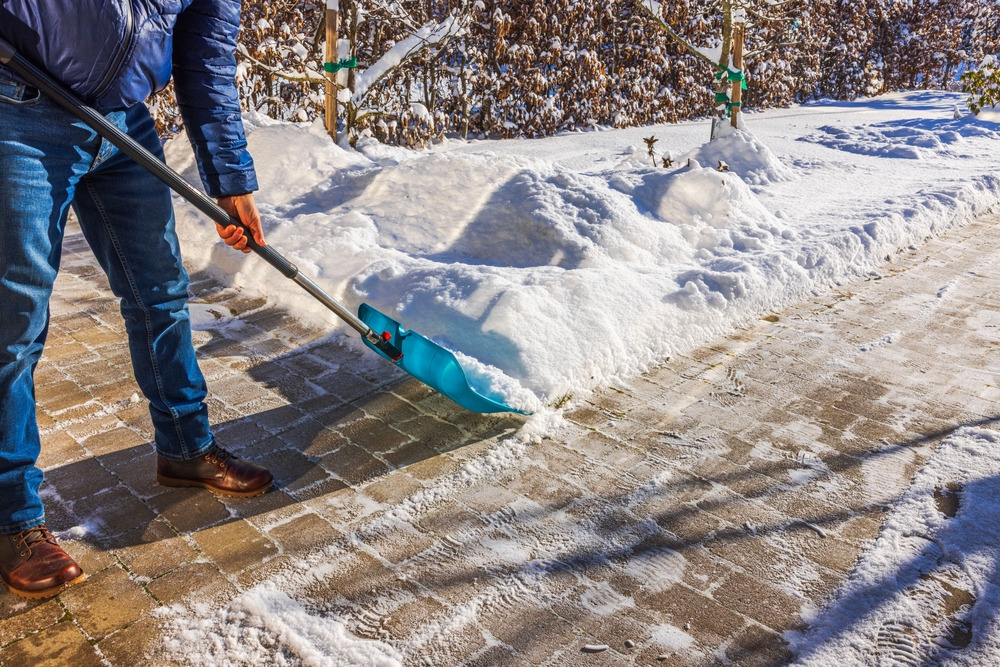
A sudden snow and ice slip and fall can cause serious injuries, leaving you with questions about your recovery and financial stability. Colorado property owners have specific responsibilities to keep their premises reasonably safe during winter weather.
When they fail to meet these obligations, people can get hurt. A lawyer can help you seek compensation for your injuries by gathering evidence, documenting your losses, and building a strong claim that shows how the accident affected your life.
Key Takeaways for Snow and Ice Slip and Fall in Colorado
- Property owners in Colorado must take reasonable steps to address snow and ice accumulation.
- The City of Longmont requires property owners to clear public sidewalks within 24 hours after a storm ends.
- Commercial properties, like stores and apartment complexes, often face a higher standard of care than private residences.
- The ongoing storm doctrine may protect a property owner from liability if a fall happens during a storm.
Property Owner Snow Removal Duty in Colorado
Colorado’s Premises Liability Act sets the rules for when a property owner is responsible for injuries that happen on their property. The law requires owners to use reasonable care to protect visitors from dangers. During winter, this duty includes managing the hazards created by snow and ice.
This responsibility applies to various parties who own or manage property.
- Homeowners: Owners of private homes have a duty to clear sidewalks abutting their property.
- Business Owners: Retailers and other businesses must keep parking lots, walkways, and entrances clear for customers.
- Landlords: Property management for apartment buildings or rented homes is responsible for maintaining common areas, such as stairs and parking lots.
- Third-Party Contractors: A snow removal company hired by a property owner may also be held liable for failing to clear the property adequately.
A Reasonable Time for Removal
A key question in many claims is what counts as a reasonable amount of time for a property owner to act. Longmont’s municipal code provides a clear deadline. Property owners must remove snow and ice from public sidewalks next to their property within 24 hours after a snowstorm has stopped.
For other areas, like a private parking lot or entryway, the timeframe depends on the specific circumstances. A commercial property owner with heavy foot traffic, such as at the Village at the Peaks shopping center, has a greater duty to act promptly.
Proving a property owner had enough time to address a hazard but failed to do so is a critical part of a successful claim.
Understanding the Ongoing Storm Doctrine
Property owners sometimes use the ongoing storm doctrine as a defense. This legal concept states that it may be impractical or impossible for an owner to keep surfaces completely clear while a storm is still active.
Generally, the duty to clear snow and ice begins after the storm has ended and the owner has had a reasonable time to act.
However, this doctrine isn’t an absolute shield. For instance, if a dangerous condition existed before the storm started, the owner may still be liable. An attorney can investigate weather records and property maintenance logs to determine if this defense applies to your situation.
Different Standards for Different Properties
The law doesn’t treat all properties the same. A visitor’s legal status on the property and the nature of the property itself influence the owner’s level of responsibility after a snow and ice slip and fall. Colorado law recognizes these visitor classifications.
- Invitees: This includes customers in a store or tenants in an apartment complex. Invitees receive the highest duty of care. Owners must actively inspect for and fix potential hazards.
- Licensees: A social guest in a private home is a licensee. Owners must warn licensees of known dangers that aren’t obvious.
- Trespassers: Property owners owe trespassers the lowest duty of care, which only requires refraining from causing deliberate harm.
FAQ for Snow and Ice Slip and Fall in Colorado
What Is a Property Owner’s Duty To Clear Snow and Ice in Colorado?
Property owners in Colorado have a legal responsibility to use reasonable care to protect people from injuries caused by hazardous conditions on their property, including snow and ice. This generally means they must remove snow and ice from walkways and other traveled areas in a reasonable amount of time after a storm.
How Long Does a Business Have To Remove Snow in Longmont?
The Longmont Municipal Code requires that sidewalks be cleared within 24 hours after a storm ends. However, commercial businesses are expected to act promptly to protect customers from snow and ice-related slip and fall accidents.
What if I Slipped on a Public Sidewalk in Front of a House?
In Longmont, the owner or occupant of the property next to a public sidewalk is responsible for clearing it of snow and ice. If they fail to do so within a reasonable amount of time and you get hurt, they can be held liable for your injuries.
What Defenses Do Property Owners Use After a Snow and Ice Slip and Fall in Colorado?
Property owners may argue that a storm was ongoing at the time of the fall, meaning their duty to clear had not yet started. They might also claim the icy condition was open and obvious or that you weren’t paying adequate attention to your surroundings.
What Information Helps My Winter Slip and Fall Claim?
Building a strong injury claim requires gathering crucial evidence, and taking photographs and videos of the dangerous condition immediately after the fall preserves a record of the hazard that caused your injury.
Securing the names and phone numbers of anyone who saw what happened can help secure essential testimony. Furthermore, your medical records document your injuries, and a copy of any incident report you filed with the property owner connects the fall to their premises. For more details, see our FAQ page.
Protect Your Rights After a Fall
An injury from a fall on ice can disrupt your life physically and financially. Attorney Edward Smith works directly with clients to pursue the compensation they need after a slip and fall. Call the Law Offices of Edward Smith at (303) 682-2944 for a free consultation about your case.